
Description
What is Cabergoline powder?
Cabergoline powder, commonly known as Caber in the community, is a dopamine agonist used to lower the levels of prolactin in the body. It is frequently used by athletes to reduce the increased prolactin levels brought on by drugs like Trenbolone and Deca Durabolin. People who are sensitive to prolactin and want to prevent the bothersome side effects frequently connected with these substances should pay special attention to this. It has been in use for 36 years after being developed successfully by Farmitalia-Carlo Erba Spa in 1986, therefore it is not a brand-new medication. Later, a firm called Pharmacia bought the medicine. Cabergoline Powder for sale
A long-acting dopamine antagonist called it is used to treat hyperprolactinemia brought on by primary and pituitary tumors, early and advanced Parkinson’s disease, physiological lactation suppression, and other conditions linked to hyperprolactinemia.
Basic Information
Product name: Cabergoline
Other name: 6-allyl-n-[3-(dimethylamino)propyl]-n-(ethylcarbamoyl)ergoline-8-carboxamide
CAS:81409-90-7
MF: C26H37N5O2
MW:451.6
EINECS:200-419-0
MDL No.:MFCD00867887
Melting point:102-104°C
Density 1.156±0.06 g/cm3(Predicted)
Storage: in the shade of dark and lutation and low temperature(+2℃~+8℃)
used: research and industrial grade
Stability: Stable
Structural formula:

Quality standard
| Items | Specifications | Results |
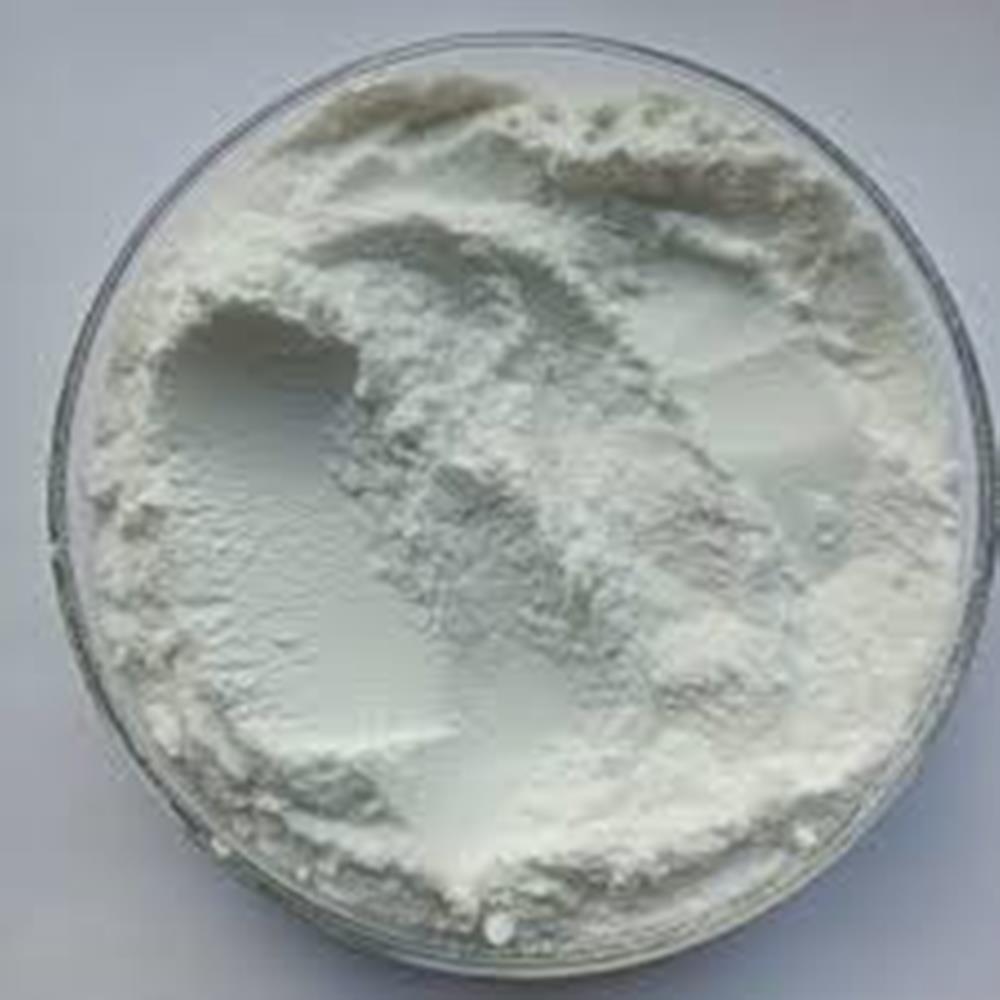
| Description | White or almost white crystalline powder | Conforms |
| Identify | 1. IR complies | Conforms |
| 2. X-Ray complies | Conforms | |
| 3. HPLC complies | Conforms | |
| Optical rotation | -77.0°~-83.0° | -78° |
| Loss on drying | Not more than 0.5% | 0.30% |
| Related substances | 1. Cabergolin Imp A no more than 0.15% | 0.03% |
| 2. allylamide no more than 0.10% | 0.02% | |
| 3. allyl DHLA no more than 0.15% | 0.03% | |
| 4. Cabergoline oxide no more than 0.10% | 0.05% | |
| 5. other impurities individually no more than 0.10% | 0.03% | |
| 6. Total no more than 0.50% | 0.17% | |
| Assay(HPLC) | 98.0%~102.0% (recalculated on anhydrous basis) | 100.2% |
| Residual solvents | 1. Dichloromethane no more than 100ppm | 8ppm |
| 2. Acetone no more than 200ppm | 15ppm | |
| 3. Tert-butylmethylether no more than 200ppm | 6ppm | |
| 4. Xylene no more than 1500ppm | 130ppm | |
| 5. Heptane no more than 1000ppm | 5ppm | |
| Residue on ignition | No more than 0.10% | 0.03% |
| Heavy metals | No more than 20ppm | 1ppm |
| Particle size | 90% of particles no more than 80um | Conforms |
| Bulk density | 0.2~0.35g/cm3 | 0.32 g/cm3 |
| Conclusion : conform with EP/USP | ||
| Storage terms: in the shade of dark and lutation and low temperature(+2℃~+8℃) | ||
Function & Application
81409-90-7 is an outgrowth of ergot alkaloids and is a dopamine receptor agonist. It has analogous conduct to bromocriptine. Its characteristics include potent, long- lasting, and picky goods with a high affinity for D2 dopamine receptors. It also exerts a strong and sustained inhibitory effect on mammary gland stashing.
The active pharmaceutical ingredient (API) Cabergoline exhibits the following actions and uses:
- Inhibition of prolactin secretion: it’s a dopamine receptor agonist that can suppress the release of prolactin from the anterior pituitary gland. therefore, it’s generally used in the treatment of hyperprolactinemia, including abnormal prolactin storing during postpartum lactation and hyperprolactinemia caused by pituitary adenomas.
- Treatment of Parkinson’s disease: it is also used to treat Parkinson’s complaint, a neurological complaint characterized by degeneration of dopamine neurons and a drop in dopamine situations. it alleviates the symptoms of Parkinson’s complaint by promoting dopamine transmission in the neurotransmitter system.
- Treatment of pituitary tumors: For primary and hyperprolactinemia caused by pituitary excrescences, it can inhibit the proliferation of excrescence cells and reduce prolactin storage.
- Reduction of pituitary tumor size: it can drop the size of pituitary excrescences, especially prolactinomas and non-performing prolactinomas. It achieves this by inhibiting excrescence cell proliferation and converting apoptosis in excrescence cells.
In summary, the conduct and uses of Cabergoline API primarily involve the regulation of prolactin situations, the treatment of hyperprolactinemia and related diseases, as well as the treatment of Parkinson’s complaint and pituitary excrescences.


Reviews
There are no reviews yet.